
Investing in Our Educators: The Early Learning Pay and Benefits Crisis
Low wages and limited support are driving early childhood educators out of the field, while funding gaps continue to strain the systems meant to sustain them.


This series explores the stories and systems behind the issues shaping our communities. Each piece connects research to real-world impact, offering context on how policy, history, and lived experience intersect. It is designed to help readers better understand both the challenges and the path forward. Low wages and limited support are driving early childhood educators out of the field, while funding gaps continue to strain the systems meant to sustain them. Rising costs are pushing more people toward housing assistance while funding instability threatens the very organizations meant to help. York’s history of redlining didn’t just shape where people could live—it shaped the landscape itself. The areas once denied opportunity are still denied shade, but every new tree and garden planted helps rewrite that story. Understanding the policies and perceptions that continue to shape homelessness today The Family Self-Sufficiency program helps York families overcome barriers, increase their income, and work toward financial independence. Lead poisoning should not just be a concern for children and parents; it should be a concern for the entire community. The Supreme Court ruling opens the door for cities to criminalize being unhoused, even where there are no shelter beds available, further entrenching the cycle of homelessness. Overgeneralizing complex social problems not only minimizes the suffering people experience because of them but can encourage initiatives that are much more damaging. A lack of green spaces is a symptom of the greater environmental injustices people marginalized by their race, gender, and income face. The local affordable housing deficit continues to be a growing problem. Many in the York community are far from enjoying a state of total wellbeing. Without personal connections or the necessary technology to collect information, there are likely thousands of people in the city who do not have the resources to get the assistance they need. Tenant screenings are frequently a misrepresentation of a person’s ability to be a reliable renter or owner. The best way to prepare people for homeownership is by assisting their needs as renters. The York College of Pennsylvania initiative aims to create equitable housing and revitalize neighborhoods in York City. The Urban Collaborative’s website aims to provide easy access to up-to-date data and relevant resources from research efforts about the City of York.
Analysis
Beyond the Data
Investing in Our Educators: The Early Learning Pay and Benefits Crisis

In Times of Uncertainty — The Challenges Faced by Housing Nonprofits in the Midst of an American Affordability Crisis

From Redlined Cities to Green Lined Communities
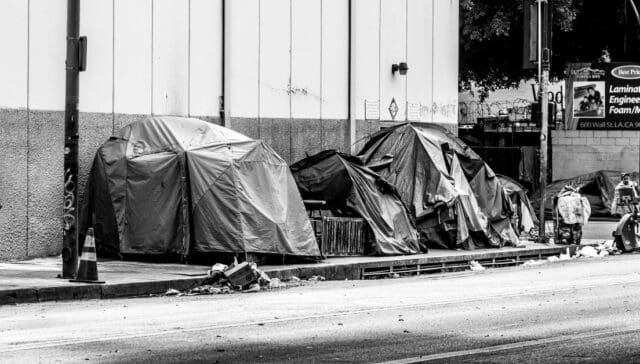
Homelessness in Law and Policy: A History

Seeking Self-Sufficiency: How the FSS Programs in York Support Financial Freedom
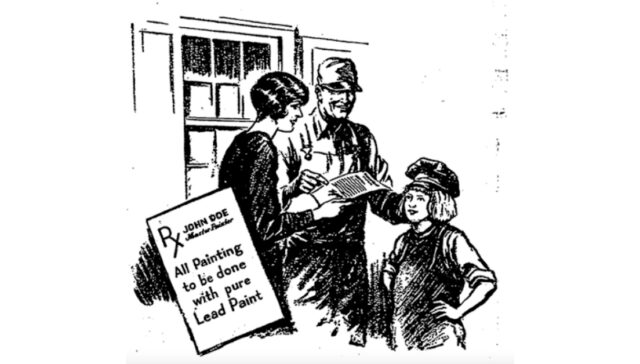
A Legacy of Lead: The Lasting Effects on York City

Local Implications of the Grants Pass Decision

Philanthropy, Service Mismatch, and Mission Drift

Revitalization Without Displacement — Just Green Enough Spaces

The State of Houselessness in York City

What is Healthy Housing? Definitions and Policy Recommendations

Information Poverty in the City of York

Tenant Screenings as a Barrier to Housing

How Policy Can Assist Homeownership by Assisting Rentership
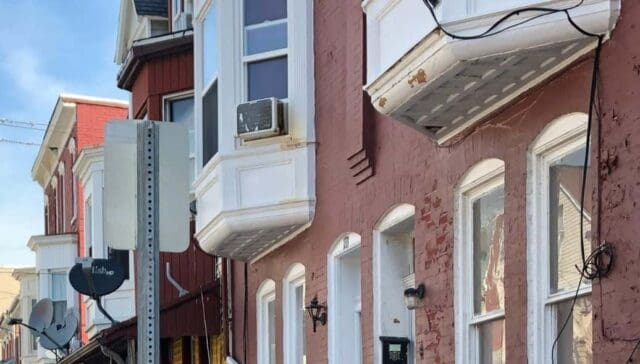
Urban Collaborative Focuses on Renovating Homes without Displacing Residents

The Need for Publicly Shared Data in York